Our first local “big business”, the industrialization of Leslieville, and more.

This is one of the earliest ads for George Leslie’s nurseries. He had just moved his business from King and Yonge Streets out to Ashport, as it was then called. The downtown was getting too crowded for a plant nursery! He put his house on rollers and pulled it with a team of horses out here.
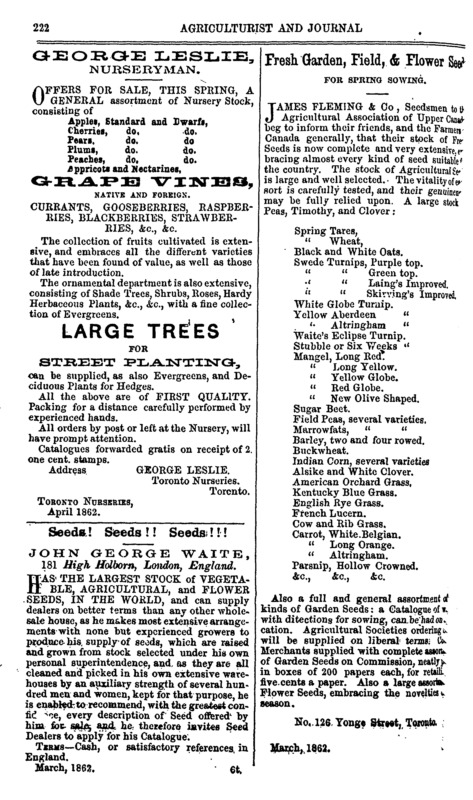
By the time of this ad, the area was being called “Leslie” or “Leslieville”.

Leslieville was becoming built up with factories such as Dunlop on Queen Street between the railroad tracks and Booth Avenue. The Jimmie Simpson Community Centre and park fills the site today. By 1910 “Leslieville” was falling out of use although the Toronto Nurseries, George Leslie’s business, still existed.

Another one of the new industries. This one on Carlaw Avewnue was soon to be renamed Rolph Clark Stone, now the printing House Lofts. This is the earliest view of Boston Avenue (background) that I have found.

George Leslie’s sons, Knox and George Jr., badly mismanaged the family business and it was taken over by George Sr.’s foreman, John McPherson Ross (1850-1924) until it finally succumbed to the Great Depression of the 1930’s and went bankrupt.

One of the many industries that grew up along Carlaw Avenue, powered by cheap electricity from Niagara Fall’s, thanks to Adam Beck, and protected by a tariff wall that created a “branch plant” economy in Canada.
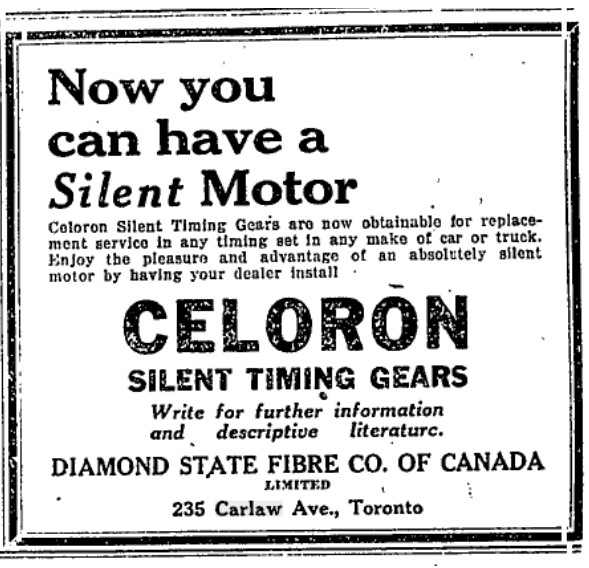
Free trade spelled an end to Carlaw Avenue as an industrial area, leaving a brownfield of empty, neglected factories until a family of forward-thinking South Asian entrepreneurs, the Jains, stepped in. They saw the industrial heritage of the area as an opportunity and rehabilitated buildings for lofts and boutique stores. Others took up their vision and we have a whole new Carlaw today.

The other major industrial area in Leslieville was along Eastern Avenue with many much more polluting industries such as the Canada Paint Company on Leslie near Eastern.


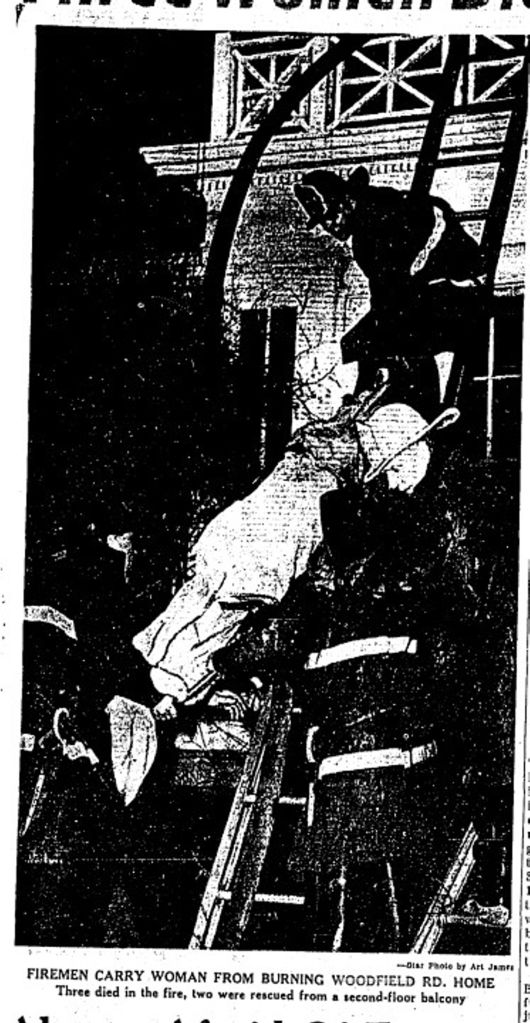
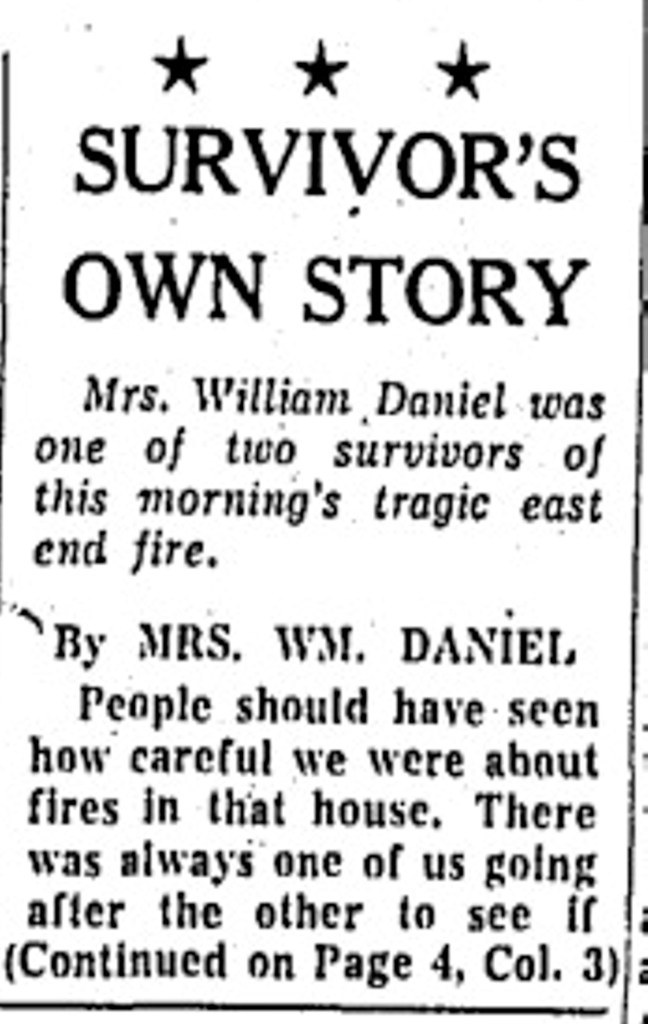
Fire, Emma Ashbridge House







 Leslieville Historical Society