By Joanne Doucette
Monthly Archives: January 2025
January 30 in Leslieville

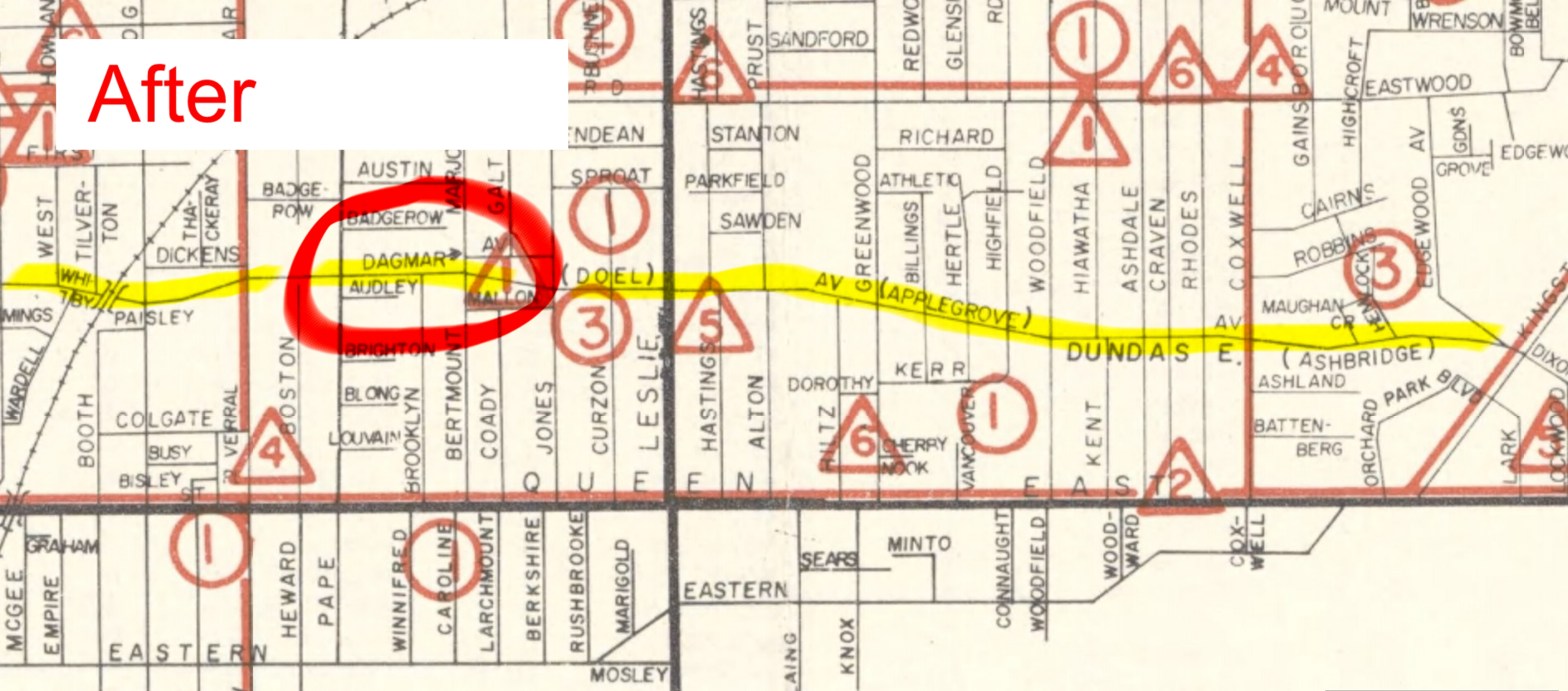
The Western bungalow combined the bangala with the army tent, the English cottage, and the Persian verandah. When you walk through Little India and see the bangles, think “bungalow” too. The British Arts and Crafts movement combined these elements into a house known as “a bungalow”.
January 29 in Leslieville

MISS WESTON IS CHAMPION Won All Three Ladies’ Events at Motordrome Rink Races. A wonderfully fast and graceful lady skater has been developed at the Motordrome Rink. She is Miss Ruby Weston. last night Miss Weston won the quarter-mile from 12 skaters, the half from 15, and the mile from 19. In the mile sheContinue reading “January 29 in Leslieville”
January 28 in Leslieville: the Brook’s Bush Gang

Well, she picked the wrong victim. If you are a smart robber, you don’t mess with the press and you don’t mess with influential politicians. She killed John Sheridan Hogan, a member of the provincial legislature and newspaperman. But this wasn’t the first murder she was involved in, and we know of others.
January 27 in Leslieville

January 26 in Leslieville
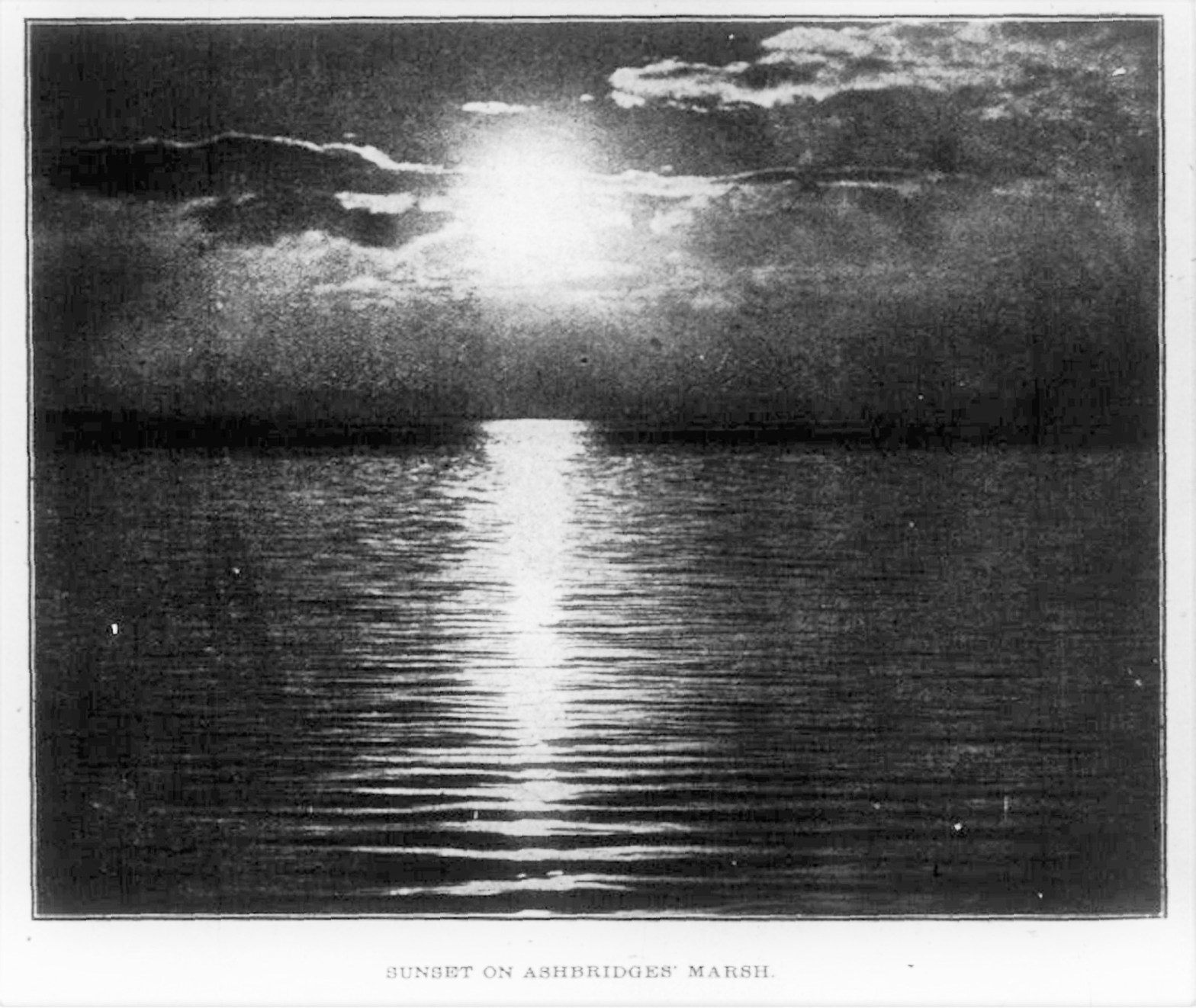
By Joanne Doucette What we have now, a small body of very polluted water at the base of Coxwell Avenue, is not what Ashbridge’s Bay once was or could be again–with imagination, investment and time. And time is what today’s post is all about. It is a very detailed timeline of Ashbridge’s Bay. Take yourContinue reading “January 26 in Leslieville”
Today in Leslieville

Laing Street was not an obvious site to capture fame or attention. The street was named after William Laing. Leslieville’s “water” rats lived on Laing and nearby Lake Street (now Knox Avenue). These fishermen, icemen and others depended on Ashbridge’s Bay for a tenuous living. Their way of life came to an end when the THC filled in the bay and marsh. Some, like the Southams, were displaced from Fisherman’s Island by the Harbour Commission’s improvements. Though the Southam family claimed to be the descendants of the Boultons of the Family Compact, they were not affluent. Leslieville was a bastion of the Orange Orde. There was a living candidate available as a monument to Leslieville’s only famous man — and only famous Orangeman. The myth of Maple Cottage and its tree began to appear in the press. In 1937, in a public ceremony a plaque was placed on the tree at twilight. Mrs. Robbins, wife of Mayor William D. Robbins, a strong Orangeman, unveiled the plaque. Mayor Robbins led the July 12th Orangeman’s Parade that year. Mrs. Robbins had been a pupil of Alexander Muir at Gladstone Avenue School.
January 24 in Leslieville

Sometime before 1866 Leslieville grocer, James Morin (c. 1835-1882), went into the brick business. In 1869 he bought a brick machine and began advertising that his Leslieville bricks were machine-made pressed bricks: BRICK! BRICKS! THE LESLIEVILLE BRICK COMPANY ARE MAKING EXTENSIVE PREPARATIONS FOR THE MANUFACTURE OF MACHINE MADE PRESSED BRICKS, And are now open toContinue reading “January 24 in Leslieville”
January 23 in Leslieville

January 22 in Leslieville
Featuring the calendars of Rolph Clark Stone
 Leslieville Historical Society