
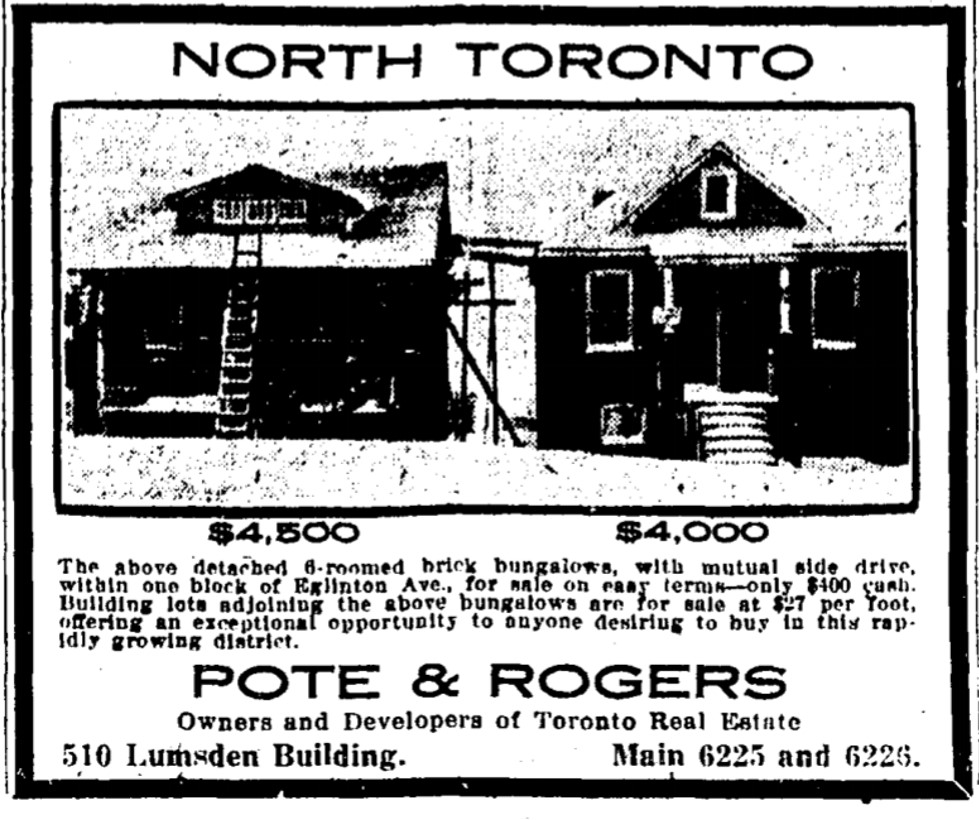
Most of us think we know what a bungalow is, right?
The South Asian Origins of the Bungalow
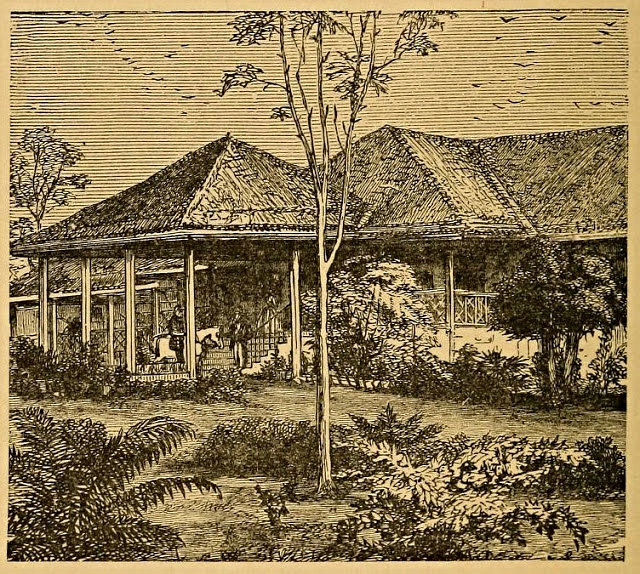
But that’s not the only meaning of “bungalow”!
The bungalow evolved out of The Bengal or the “bangle” or “bangala” – the comfortable, spreading home of India and Pakistan.
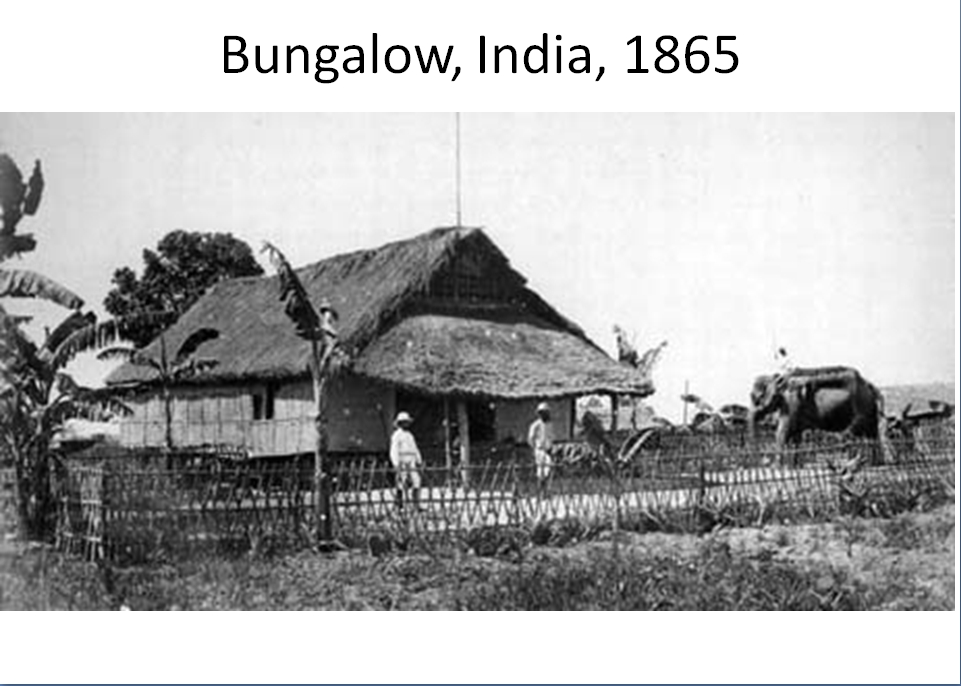
The British soldiers loved the bungalow.
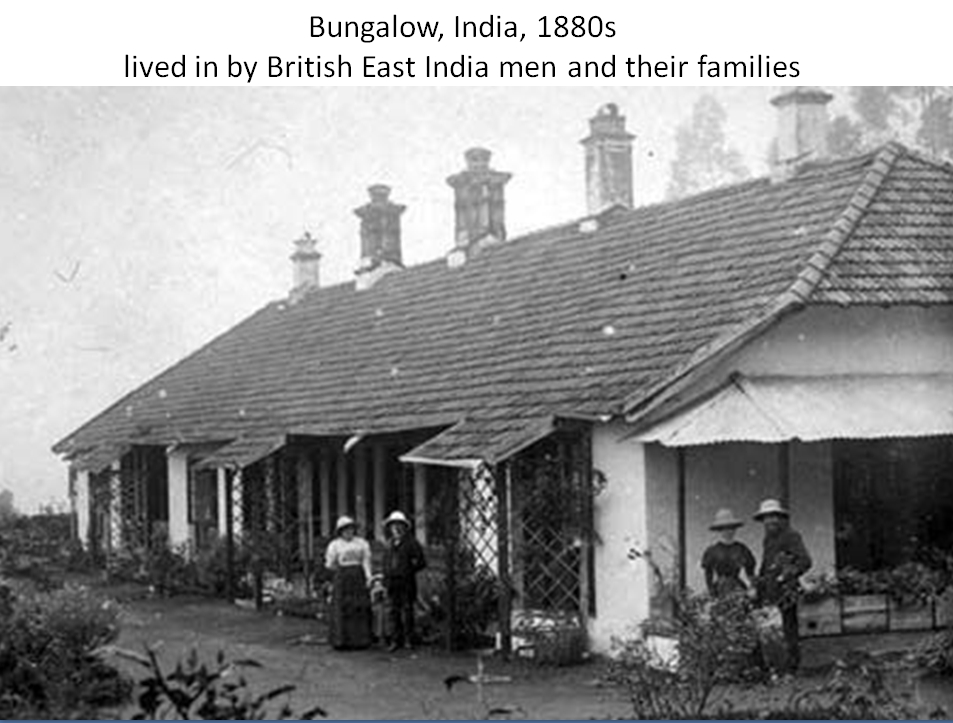
The Western bungalow combined the bangala with the army tent, the English cottage, and the Persian verandah. When you walk through Little India and see the bangles, think “bungalow” too. The British Arts and Crafts movement combined these elements into a house known as “a bungalow”.

The Bungalow as a Home for American Millionaires
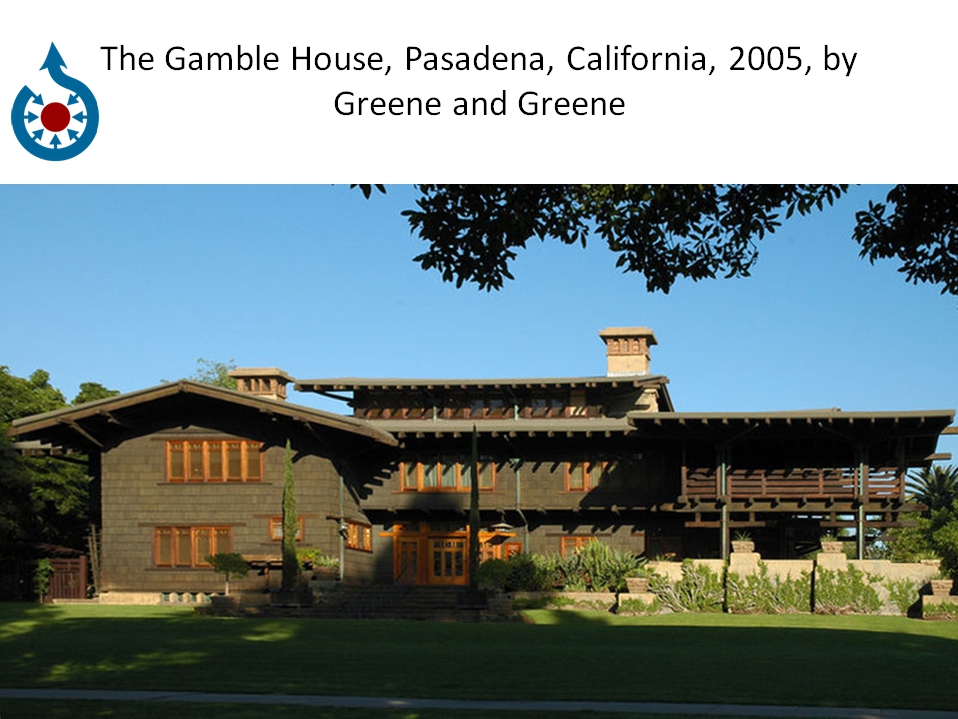
Two architects, brothers Charles Sumner Greene and Henry Mather Greene, introduced the Arts and Crafts bungalow to North America. They practised in California from 1893 to 1914 and drew on the Arts and Crafts movement in England led by William Morris (1834-1896). Proponents of the Arts and Crafts movement believed the Industrial Revolution was the curse of the modern age and society need to return to the simpler days of the handcrafted arts and guilds of skilled workers. A. Page Brown is credited with building the first American bungalow in 1895 near San Francisco. These bungalows were expensive, very large and built, ironically, for the very rich who could afford the expensive materials and hand-crafted workmanship.

Gustav Stickley turned the Arts and Crafts movement on its head by making it accessible and affordable “to the masses”. Most of us have watched enough Antiques Roadshows to recognize the name “Gustav Stickley” and the Arts and Crafts movement. In 1909 Gustav Stickley published the first catalogue of Craftsman homes, complete with floor plans for the bungalow. The Arts and Crafts or California-style bungalow could be built from plans in The Craftsman Magazine (1901-1916), published by Stickley.
He designed a small, cozy house that was supposed to foster a sense of connection to the Earth. He was also very concerned about making the lives of the families who lived in house healthier and less burdened with household chores. He designed his homes in a way to let women run the household with less effort, including such conveniences as built-in kitchen cupboards and sinks and closets. Yes, the closets were tiny by today’s standards but so were the wardrobes of the people who lived in those houses. They were designed to be affordable to even the lowest income earners while including more modern conveniences.
The Bungalow goes Main Stream with Mass Marketing, Assembly Line Production

“At the turn of the century bungalows took America by storm. These small houses, some costing as little as $900, helped fulfill many Americans’ wishes for their own home, equipped with all the latest conveniences. Central to the bungalow’s popularity was the idea that simplicity and artistry could harmonize in one affordable house. The mania for bungalows marked a rare occasion in which serious architecture was found outside the realm of the rich. “Bungalows allowed people of modest means to achieve something they had long sought: respectability. With its special features – style, convenience, simplicity, sound construction, and excellent plumbing – the bungalow filled more than the need for shelter. It provided fulfillment of the American dream.” http://www.americanbungalow.com/
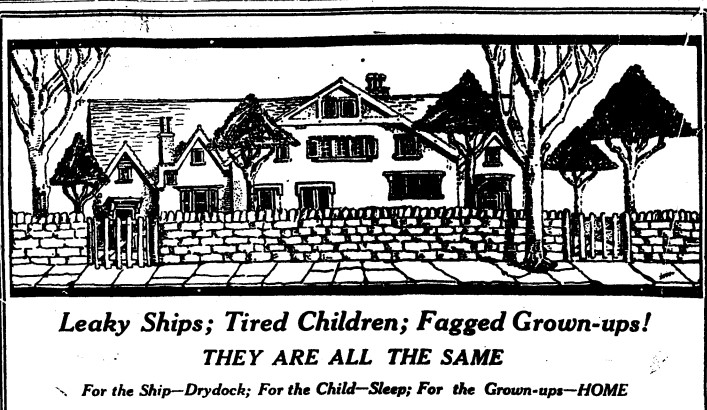

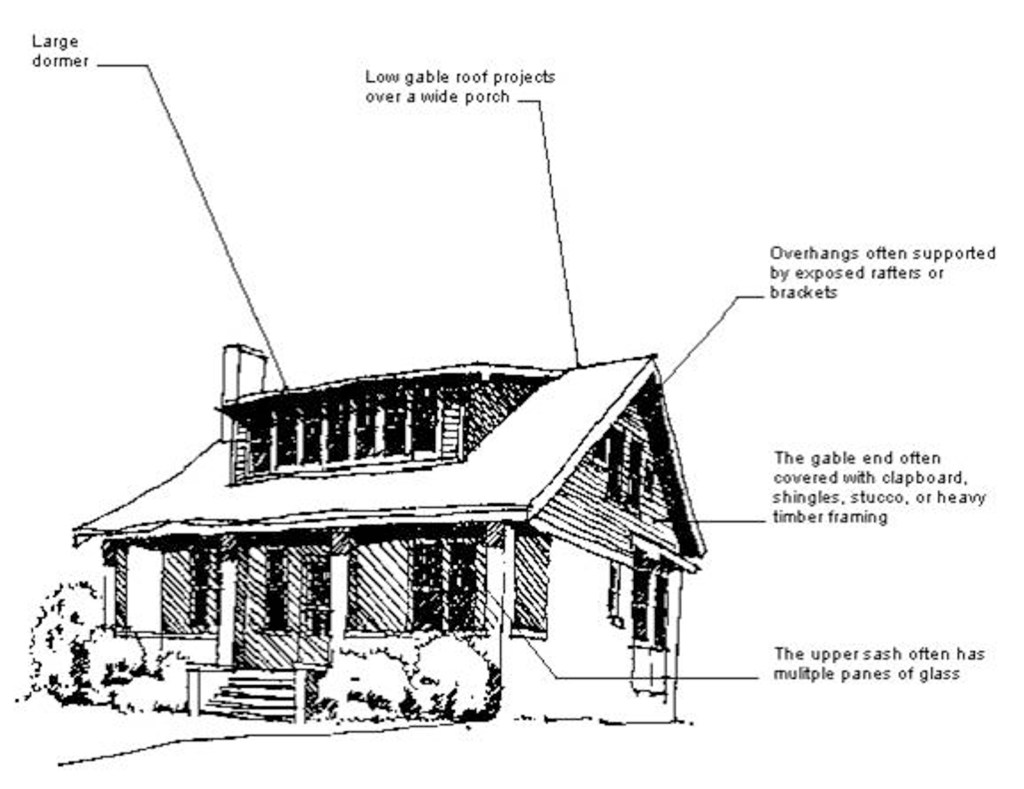
The Arts and Crafts bungalow and the larger bungalows that followed offered convenience, simplicity, sound construction and excellent plumbing. The essence of the bungalow was the horizontal as opposed to the verticality of the neoGothic house. Everything was supposed to weave the inside and outside into a unified and harmonious whole, with vertical lines broken up to lead the eye (and the soul) back down to Earth. Gustav Stickley’s bungalows had all of the living spaces on one floor and most had no basements. The absence of a second story simplified building. Utilities were easier to install than in a two-story house. They were safer allowing easier escape in case of fire. The bungalow was supposed to promote health through preventing the overcrowded conditions that led to the “white plaque” tuberculosis or TB (also called “consumption”). Screened windows invited in fresh air. The tiny dormers on his one-storey bungalows were not for living space in a tiny attic, but to allow ventilation with the hot air rising and escaping.

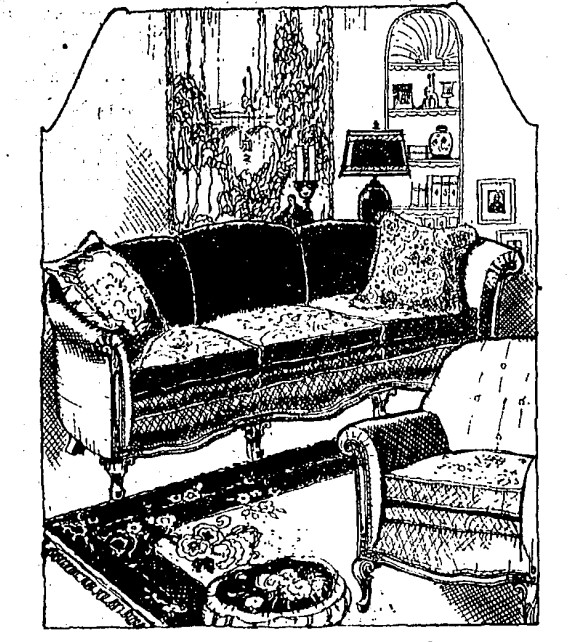
The Arts and Crafts bungalow was, in essence, a low, functional, spreading house with horizontal lines, overhanging eaves with a veranda or simple porch and lots of windows including bands of windows, often with vertical triple panes in the upper sashes. These small houses were “open concept” with the living room and dining room flowing into each other. An important component was the fireplace as the hearth was considered the heart of the home. Many local houses had gas fireplaces often covered over later. The living room was a new invention replacing the stuff, formal parlour, the music room, reception room, and conservatory. All the rooms centred on the living room with its hearth. This is the basic bungalow floor plan.



The Toronto Bungalow
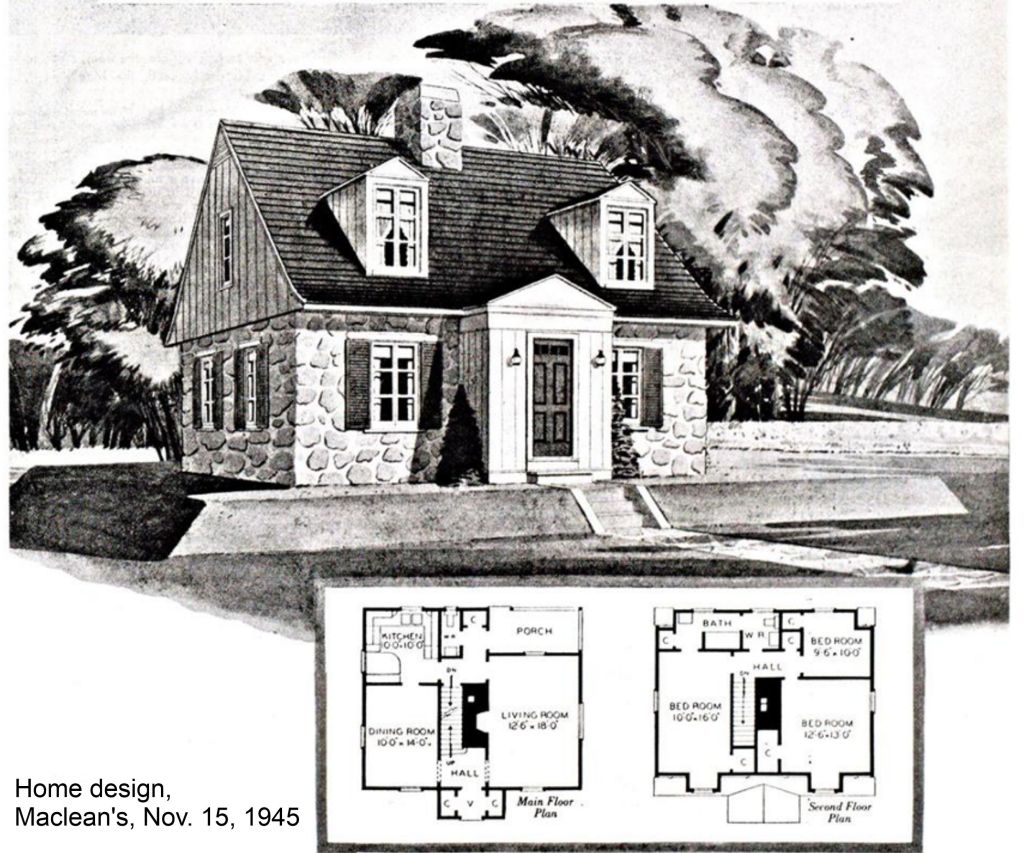
But the Arts and Crafts bungalow in its purest form didn’t work for cold climates like Toronto, Detroit or Chicago. So, designers reconfigured the bungalow creating a new style of bungalow that was raised on a stone or concrete foundation with a basement and the most modern furnace available. Nevertheless, they built in elements that emphasized the horizontal vs. vertical even when, as in our neighbourhood, the bungalow was perched half-way up a hill. This new bungalow, sometimes called a “semi-bungalow”, was usually a storey and a half with a dormer, not a full two stories.

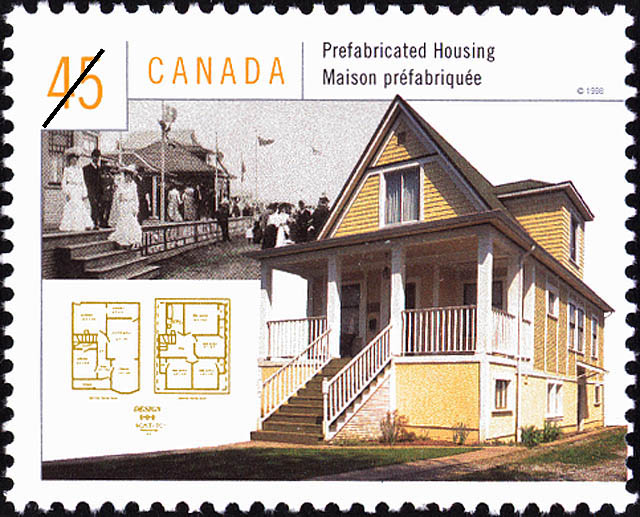
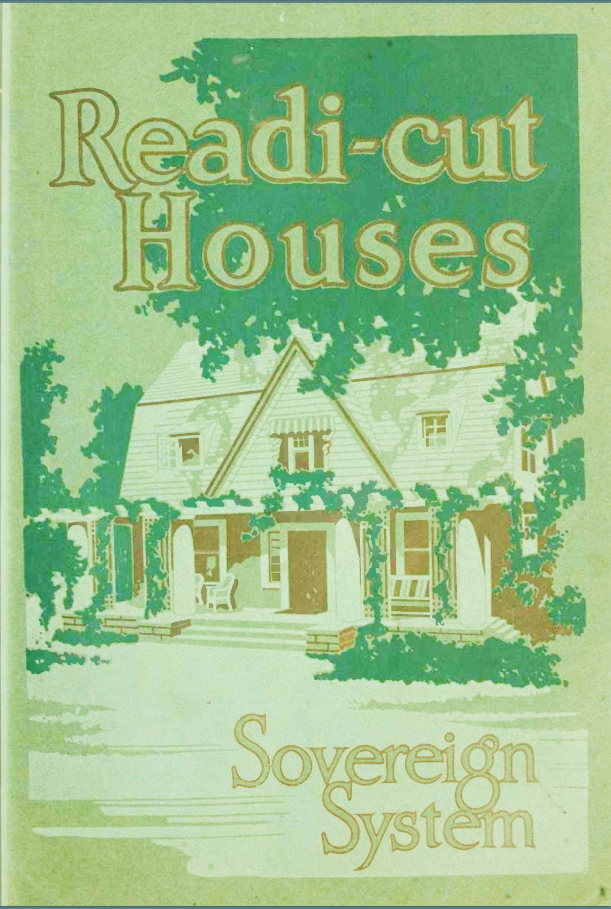
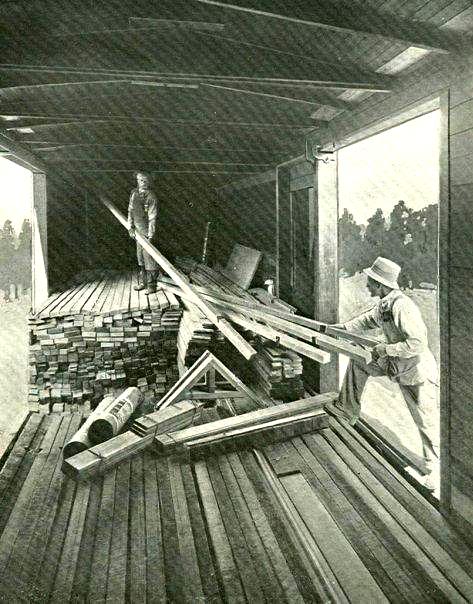
While the new style of bungalow still emphasized harmony with nature, simplicity and horizontality, it was no longer based on the kind of hand-crafted construction and all-natural materials of the Arts and Crafts movement. Instead craftsmanship went mainstream with mass- produced, ready-cut home put together on an assembly line and delivered in boxcar or truck.

Although small by today’s standards, often between 800 and 1200 square feet, they were considered spacious at the time. The typical six-room house had two or three bedrooms, one bathroom, a living room that flowed into the dining room, kitchen, and a full basement. It often had a second floor with additional space, but was usually only a storey and a half. It had large porches covered by the overhanging roof and eaves and supported by generous columns. Columns were designed in such a way as to break up the vertical line using groups of columns, a column split into two parts (a bigger base with a small pedestal on top) or so-called elephant columns that were wedge-shaped, narrow at the top and widened like an inverted elephant’s trunk at the ground.
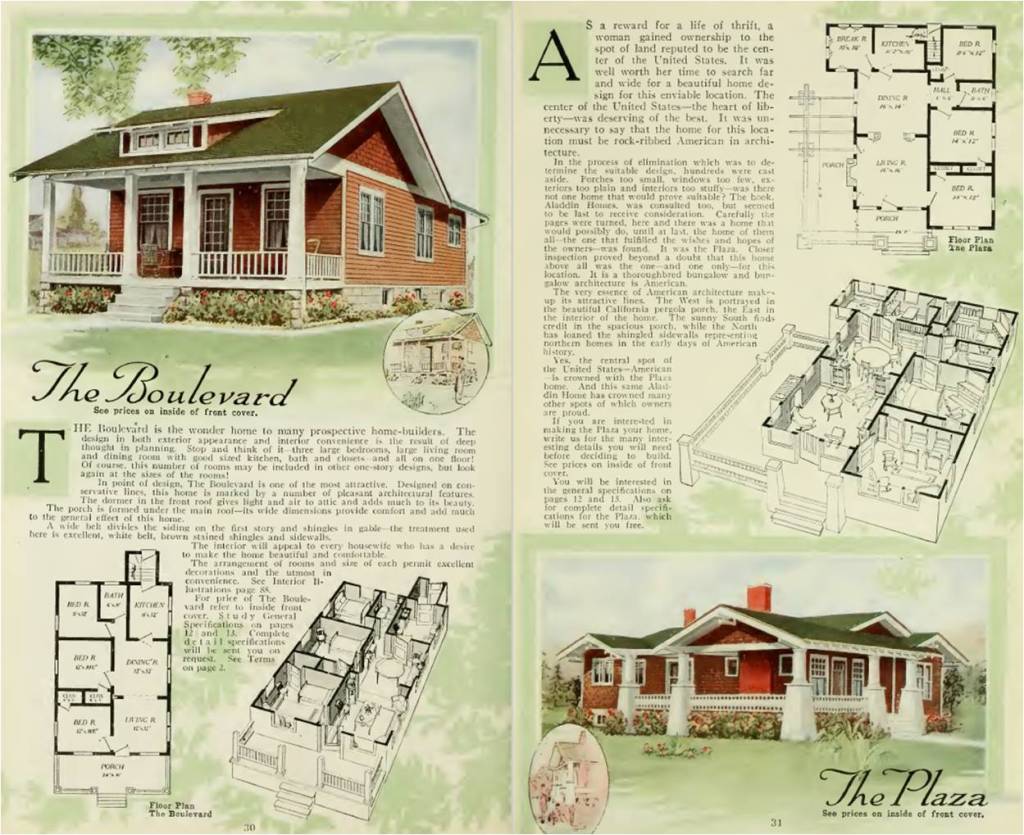

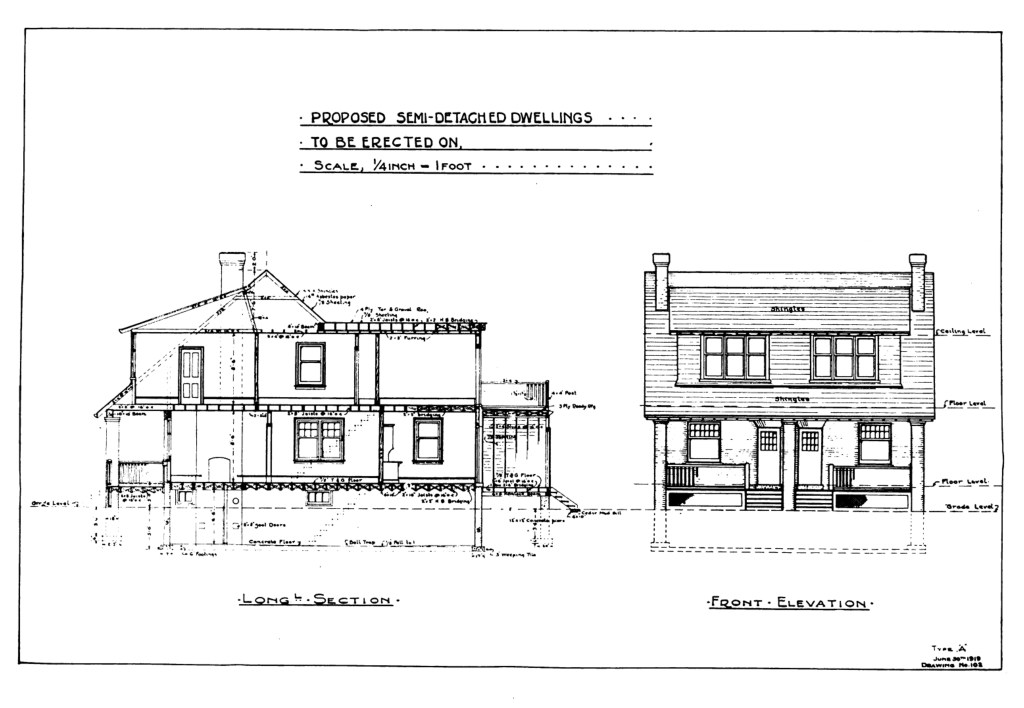
These houses had an open floor plan with front entry opening directly into the living room. ( Sometimes this was closed off in a small front hallway to keep the house warmer.) Here are some of the typical features:
- Large fireplace often with built-ins on either side
- Typically built of high quality materials: brick, shingles.
- Low-pitched roof which may be gabled or hipped
- Broad eaves with exposed rafters
- Decorative knee braces (brackets) and protruding rafter ends or “rafter tails”
- Lots of windows and doors leading to exterior porches or verandahs
- Inglenooks or alcoves
- Built-in cabinetry such as bookcases and especially built in kitchen cabinets
- Beamed ceilings
- Simple wainscotting sometimes with a plate rail (most commonly seen in dining and living room).
- Dormers, shed, hipped or gabled.
- Double-hung or casement windows with multiple lights in the upper window and a single pane in the lower, often seen in continuous banks. Simple, wide casings.
- Double front gables, or a gable in front of another gable
By 1923, there was a building boom across Toronto as prosperity had returning following the brief depression of 1919. The area filled in with rows of brick bungalows, detached, duplexes and triplexes:
The building impulse is also evident south of Danforth and Gerrard street east from Main street to Coxwell avenue, including the new subdivision, Kelvin Park Beach, which is astir with scores of houses rising above the snow-cloaked fields. Variety in architecture and price underlie the building movement of this district, and homes range in value from $5,000 to $9,000. The ring of the hammers of the builders in the Gerrard street east district echoes over the hills south to Kingston road, where from the city limits at Victoria Park avenue to Queen street, with its lake frontage streets, are building up with blocks of homes valued from $4,500 to $8,000. During the last few days cellars have been excavated in the new Bingham avenue subdivision and Glenmount Park. (Globe, Feb. 27, 1923)
These houses were professionally built by contractors, using prefabricated models and popular, but quite similar plans. The different manufacturers of prefabricated houses and design books of house plans freely borrowed ideas from each other to spread the affordable, convenient bungalow. The “bungalow craze” was “the go” from 1910 to about 1930 when the Great Depression hit and building stalled until the bungalow was re-invented as the War-time or Victory home.

Peter Harcus came to Canada from Scotland as an adult in 1911. He was a builder back in Scotland and took up that trade here:

“We were mostly building six roomed houses for working people and they were what we called the bungalow type, in other words their roof sloped right down and out the verandah and there were large peers and the roof made the shelter for the verandah and the verandah went right across the full width of the house and with the semi-detached … there was usually a little wooden partition in between just to give a little privacy.”
Bungalow-style was in, Harcus’s words, “the go”. If a particular style or design was selling well, he built it. Builders did not usually use an architect. They drew up the plans themselves. They dug the foundations of a house with a team of horses and a scraper. Harcus used one or two carpenters. Much of the work he farmed out to subcontractors: bricklayer, plasterer, roofer for the asphalt roof, painter, etc. He describes it:
“It was lovely for a family because they could set their chairs out there and when the man of the house would come home after a hard day’s work, he’d have his dinner and clean-up, he’d take his newspaper and his pipe and he’d maybe go out and sit on the verandah and read and pass the time of day to everybody passing by, people felt very contented. There was no radio or T.V. in them days.” Dorothy Drever, Dorothy, interviewer. Interview with Peter Harcus, no date. In the Local History of the Toronto Public Library, Broadview-Gerrard Branch.
$2,200 — $300 CASH, BALANCE LIKE rent, detached, brick front, four large, bright rooms and bathroom, good pantry, electricity, oak floors, Georgia pine trim, sink in kitchen, full width verandah, separate side entrance, good lot, convenient to cars, school, and church. Chas. L. Watt, 220 Greenwood ave. Phone Gerr. 2622. Toronto Star, February 19, 1919
The War-time Bungalow or Victory Home
I think of Ajax, Ontario, a war-time community originally built in the Second War for munitions workers with streets lined with prefabricated, war-time bungalows. These were small narrow, shoe-box shaped houses with a low-pitched gable roof or sometimes a hipped roof. They were supposed to be temporary, but were well made and many parts of Toronto also have lots of these bungalows.
Beams and rafters were exposed and natural materials like stone or wooden shingles were used to foster that sense of connection to the Earth. Built-ins, including bookcases, cupboards and seating benches were also featured. The blending of inside and outside was promoted through sun rooms, verandahs, and, at the back of the house, screened sleeping porches. A pergola was an essential landscaping feature helping to create the sense of an outdoor living space complementing the indoor living room. The urban bungalow presented a narrow face to the road; privacy of the garden behind.


https://www.americanbungalow.com/family-album/
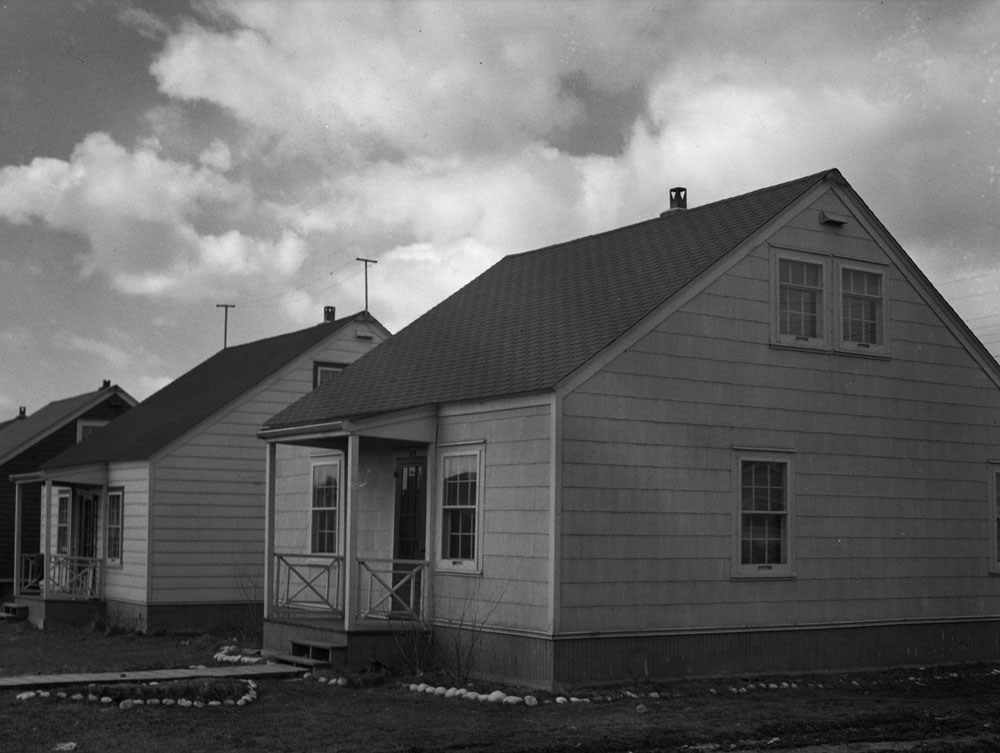
 Leslieville Historical Society